As the demand for natural and tobacco-free smoking alternatives continues to grow, consumers and brands are exploring new materials that enhance both experience and product differentiation. Among the most talked-about innovations in the pre rolled cones category are rose petal cones and lotus cones. Both options appeal to users looking for plant-based formats, but they deliver very different sensory experiences, performance characteristics, and market positioning.
In this comprehensive guide, we’ll explore the real differences between these two cone types so you can decide which is the better fit for your personal use, retail inventory, or product line—especially if you’re sourcing premium natural solutions from Leaf Palms.
Understanding the Appeal of Natural Pre Rolled Cones
Natural cones have become a major trend because they align with modern preferences for cleaner ingredients, smoother sessions, and eco-conscious materials. Unlike traditional options, plant-based cones focus on preserving flavor while delivering a slow, even burn. This shift has created room for specialty materials like rose petals and lotus leaves, which bring both functional and aesthetic advantages.
For brands and retailers, offering a variety of materials—alongside formats such as pre rolled tubes, pre rolled wraps, and bulk cones—helps capture a wider audience ranging from casual users to premium lifestyle buyers.
What Makes Rose Petal Cones Unique?
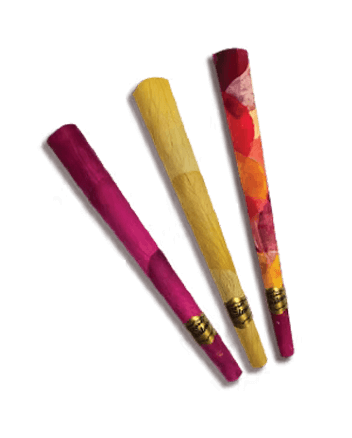
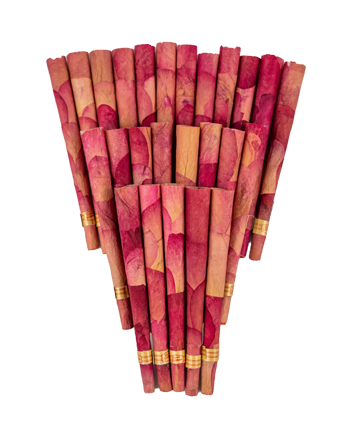
Rose petal cones are designed to create a sensory experience that goes beyond functionality. The floral profile subtly enhances aroma, making sessions feel more refined and distinctive. Because of their visual elegance, they’re often associated with premium positioning and are commonly featured in boutique collections or special edition product lines.
From a performance standpoint, rose petal cones typically provide a smooth draw and gentle burn. The material is often slightly thinner than other natural options, which can contribute to a softer smoking experience. For consumers who value flavor enhancement and atmosphere, rose cones stand out as a lifestyle product rather than just a utility item.
Businesses often use rose cones to differentiate their offerings, particularly when targeting customers who are drawn to aesthetics, gifting options, or elevated experiences.
What Sets Lotus Cones Apart?
Lotus cones focus on balance and consistency. Known for their clean and neutral profile, they allow the contents to remain the dominant flavor without introducing strong notes. This makes them appealing to users who prefer a pure, unaltered experience.
The structure of lotus material is generally more robust, which contributes to an even burn and dependable performance. Because of this reliability, lotus cones are often favored for everyday use and high-volume retail environments where consistency matters most.
For brands, lotus cones are an excellent choice when building a core product lineup. They appeal to a broad audience and are easy to position as a dependable, high-quality option suitable for regular sessions.
Comparing Experience: Flavor, Burn, and Feel
The most noticeable difference between rose petal cones and lotus cones lies in the sensory experience. Rose cones introduce a gentle floral note that can enhance the atmosphere of a session, while lotus cones remain neutral, allowing for a cleaner taste profile.
Burn performance also varies slightly. Lotus cones are typically associated with a steadier and more even burn due to their denser structure, while rose cones prioritize smoothness and aroma. Neither option is inherently better; the choice depends on whether the user values flavor enhancement or purity.
In terms of feel, rose cones often carry a more luxurious perception, whereas lotus cones are seen as practical and reliable. This distinction plays a significant role in purchasing decisions, particularly in retail environments where branding and packaging influence customer perception.
Size Options and Versatility
Both rose petal cones and lotus cones are widely available in standard industry sizes, allowing them to integrate seamlessly into existing product lines. The most common formats include 84mm, 98mm, and 109mm cones.
The 84mm size is typically chosen for shorter sessions or sampler packs, while 98mm remains the industry standard for everyday use. The 109mm format, often considered king size, caters to consumers who prefer longer sessions and higher capacity.
Because these sizes are consistent across formats, businesses can easily incorporate them into bulk cones programs or pair them with complementary products like pre rolled tubes and pre rolled wraps to create cohesive product offerings.
Which Option Is Better for Businesses?
From a commercial perspective, the choice between rose and lotus cones often comes down to target audience and brand strategy. Rose cones can serve as a premium differentiator, helping brands stand out in crowded markets with a product that feels unique and experiential. They’re particularly effective for limited releases, collaborations, or high-end collections.
Lotus cones, on the other hand, provide reliability and broad appeal. Their neutral profile makes them suitable for large-scale distribution, ensuring consistent customer satisfaction across repeat purchases. Many successful brands choose to carry both options, using lotus cones as a core product and rose cones as a specialty upgrade.
Sustainability and Consumer Trends
The shift toward plant-based materials is driven largely by consumer awareness. Buyers are increasingly interested in products that align with sustainability values, minimal processing, and natural ingredients. Both rose petal and lotus cones fit into this movement, offering alternatives that feel more aligned with modern lifestyle preferences.
As the market continues to evolve, natural materials are expected to play an even larger role in shaping product innovation. Brands that invest in diverse material options are better positioned to adapt to changing consumer expectations and maintain relevance in a competitive landscape.
How to Decide Which Cone Is Right for You
Choosing between rose petal cones and lotus cones ultimately depends on what matters most in the experience. Those who prioritize aroma, presentation, and a more luxurious feel often gravitate toward rose cones. Users who prefer a clean, consistent session with minimal flavor influence tend to favor lotus cones.
For businesses, the decision should align with brand identity and customer demographics. Premium-focused brands may benefit from highlighting rose cones, while mass-market or everyday product lines often perform best with lotus cones. Offering both ensures flexibility and allows customers to choose based on their preferences.
Final Thoughts
The comparison between Rose Petal Cones vs Lotus Cones isn’t about finding a single winner—it’s about understanding the strengths of each option. Rose cones excel in creating a memorable, aromatic experience, while lotus cones deliver reliability and purity. Together, they represent the diversity and innovation shaping the future of natural pre rolled cones.
Whether you’re a consumer exploring new experiences or a brand building a product lineup, understanding these differences will help you make a more informed choice and create offerings that resonate with today’s market.
Frequently Asked Questions
What is the main difference between Rose Petal Cones and Lotus Cones?
The main difference lies in the experience they provide. Rose petal cones offer a light floral aroma and a more premium feel, while lotus cones are known for their neutral taste and consistent burn, making them ideal for everyday use.
Which option is better for flavor: rose petal cones or lotus cones?
Rose petal cones are typically better for users who want a subtle aroma and enhanced sensory experience. Lotus cones are preferred by those who want a clean taste without additional flavor influence.
Do Rose Petal Cones and Lotus Cones burn at different speeds?
Both are designed for slow, even burning, but lotus cones often burn slightly more consistently due to their thicker and more durable material.
Are these cones available in standard sizes like 84mm, 98mm, and 109mm?
Yes, both cone types are commonly available in 84mm, 98mm, and 109mm sizes, making them compatible with most pre rolled cones, pre rolled tubes, and pre rolled wraps formats.
Which cone type is better for beginners?
Lotus cones are usually recommended for beginners because of their neutral profile and easy handling, while rose cones are often chosen by users looking for a more unique experience.
Are Rose Petal Cones considered premium products?
Yes, rose petal cones are often positioned as premium due to their distinctive aroma, visual appeal, and specialty material.
Can businesses buy Rose and Lotus cones in bulk?
Most manufacturers offer both options as bulk cones, making them suitable for retailers, distributors, and brands building product lines.
Do these cones fall under natural or tobacco-free wraps?
Yes, both rose petal cones and lotus cones are typically plant-based and categorized as natural alternatives within the pre rolled wraps segment.
Which cone is better for everyday use?
Lotus cones are generally preferred for daily use because they provide a smooth, consistent, and neutral experience.
Why do brands offer both rose and lotus cones?
Offering both allows brands to serve different customer preferences—rose cones for premium and experiential buyers, and lotus cones for those who prioritize consistency and simplicity.




Rose Petal Cones vs Lotus Cones: Which One Is Right for You?
As the demand for natural and tobacco-free smoking alternatives continues to grow, consumers and brands are exploring new materials that enhance both experience and product differentiation. Among the most talked-about innovations in the pre rolled cones category are rose petal cones and lotus cones. Both options appeal to users looking for plant-based formats, but they deliver very different sensory experiences, performance characteristics, and market positioning.
In this comprehensive guide, we’ll explore the real differences between these two cone types so you can decide which is the better fit for your personal use, retail inventory, or product line—especially if you’re sourcing premium natural solutions from Leaf Palms.
Understanding the Appeal of Natural Pre Rolled Cones
Natural cones have become a major trend because they align with modern preferences for cleaner ingredients, smoother sessions, and eco-conscious materials. Unlike traditional options, plant-based cones focus on preserving flavor while delivering a slow, even burn. This shift has created room for specialty materials like rose petals and lotus leaves, which bring both functional and aesthetic advantages.
For brands and retailers, offering a variety of materials—alongside formats such as pre rolled tubes, pre rolled wraps, and bulk cones—helps capture a wider audience ranging from casual users to premium lifestyle buyers.
What Makes Rose Petal Cones Unique?
Rose petal cones are designed to create a sensory experience that goes beyond functionality. The floral profile subtly enhances aroma, making sessions feel more refined and distinctive. Because of their visual elegance, they’re often associated with premium positioning and are commonly featured in boutique collections or special edition product lines.
From a performance standpoint, rose petal cones typically provide a smooth draw and gentle burn. The material is often slightly thinner than other natural options, which can contribute to a softer smoking experience. For consumers who value flavor enhancement and atmosphere, rose cones stand out as a lifestyle product rather than just a utility item.
Businesses often use rose cones to differentiate their offerings, particularly when targeting customers who are drawn to aesthetics, gifting options, or elevated experiences.
What Sets Lotus Cones Apart?
Lotus cones focus on balance and consistency. Known for their clean and neutral profile, they allow the contents to remain the dominant flavor without introducing strong notes. This makes them appealing to users who prefer a pure, unaltered experience.
The structure of lotus material is generally more robust, which contributes to an even burn and dependable performance. Because of this reliability, lotus cones are often favored for everyday use and high-volume retail environments where consistency matters most.
For brands, lotus cones are an excellent choice when building a core product lineup. They appeal to a broad audience and are easy to position as a dependable, high-quality option suitable for regular sessions.
Comparing Experience: Flavor, Burn, and Feel
The most noticeable difference between rose petal cones and lotus cones lies in the sensory experience. Rose cones introduce a gentle floral note that can enhance the atmosphere of a session, while lotus cones remain neutral, allowing for a cleaner taste profile.
Burn performance also varies slightly. Lotus cones are typically associated with a steadier and more even burn due to their denser structure, while rose cones prioritize smoothness and aroma. Neither option is inherently better; the choice depends on whether the user values flavor enhancement or purity.
In terms of feel, rose cones often carry a more luxurious perception, whereas lotus cones are seen as practical and reliable. This distinction plays a significant role in purchasing decisions, particularly in retail environments where branding and packaging influence customer perception.
Size Options and Versatility
Both rose petal cones and lotus cones are widely available in standard industry sizes, allowing them to integrate seamlessly into existing product lines. The most common formats include 84mm, 98mm, and 109mm cones.
The 84mm size is typically chosen for shorter sessions or sampler packs, while 98mm remains the industry standard for everyday use. The 109mm format, often considered king size, caters to consumers who prefer longer sessions and higher capacity.
Because these sizes are consistent across formats, businesses can easily incorporate them into bulk cones programs or pair them with complementary products like pre rolled tubes and pre rolled wraps to create cohesive product offerings.
Which Option Is Better for Businesses?
From a commercial perspective, the choice between rose and lotus cones often comes down to target audience and brand strategy. Rose cones can serve as a premium differentiator, helping brands stand out in crowded markets with a product that feels unique and experiential. They’re particularly effective for limited releases, collaborations, or high-end collections.
Lotus cones, on the other hand, provide reliability and broad appeal. Their neutral profile makes them suitable for large-scale distribution, ensuring consistent customer satisfaction across repeat purchases. Many successful brands choose to carry both options, using lotus cones as a core product and rose cones as a specialty upgrade.
Sustainability and Consumer Trends
The shift toward plant-based materials is driven largely by consumer awareness. Buyers are increasingly interested in products that align with sustainability values, minimal processing, and natural ingredients. Both rose petal and lotus cones fit into this movement, offering alternatives that feel more aligned with modern lifestyle preferences.
As the market continues to evolve, natural materials are expected to play an even larger role in shaping product innovation. Brands that invest in diverse material options are better positioned to adapt to changing consumer expectations and maintain relevance in a competitive landscape.
How to Decide Which Cone Is Right for You
Choosing between rose petal cones and lotus cones ultimately depends on what matters most in the experience. Those who prioritize aroma, presentation, and a more luxurious feel often gravitate toward rose cones. Users who prefer a clean, consistent session with minimal flavor influence tend to favor lotus cones.
For businesses, the decision should align with brand identity and customer demographics. Premium-focused brands may benefit from highlighting rose cones, while mass-market or everyday product lines often perform best with lotus cones. Offering both ensures flexibility and allows customers to choose based on their preferences.
Final Thoughts
The comparison between Rose Petal Cones vs Lotus Cones isn’t about finding a single winner—it’s about understanding the strengths of each option. Rose cones excel in creating a memorable, aromatic experience, while lotus cones deliver reliability and purity. Together, they represent the diversity and innovation shaping the future of natural pre rolled cones.
Whether you’re a consumer exploring new experiences or a brand building a product lineup, understanding these differences will help you make a more informed choice and create offerings that resonate with today’s market.
Frequently Asked Questions
What is the main difference between Rose Petal Cones and Lotus Cones?
The main difference lies in the experience they provide. Rose petal cones offer a light floral aroma and a more premium feel, while lotus cones are known for their neutral taste and consistent burn, making them ideal for everyday use.
Which option is better for flavor: rose petal cones or lotus cones?
Rose petal cones are typically better for users who want a subtle aroma and enhanced sensory experience. Lotus cones are preferred by those who want a clean taste without additional flavor influence.
Do Rose Petal Cones and Lotus Cones burn at different speeds?
Both are designed for slow, even burning, but lotus cones often burn slightly more consistently due to their thicker and more durable material.
Are these cones available in standard sizes like 84mm, 98mm, and 109mm?
Yes, both cone types are commonly available in 84mm, 98mm, and 109mm sizes, making them compatible with most pre rolled cones, pre rolled tubes, and pre rolled wraps formats.
Which cone type is better for beginners?
Lotus cones are usually recommended for beginners because of their neutral profile and easy handling, while rose cones are often chosen by users looking for a more unique experience.
Are Rose Petal Cones considered premium products?
Yes, rose petal cones are often positioned as premium due to their distinctive aroma, visual appeal, and specialty material.
Can businesses buy Rose and Lotus cones in bulk?
Most manufacturers offer both options as bulk cones, making them suitable for retailers, distributors, and brands building product lines.
Do these cones fall under natural or tobacco-free wraps?
Yes, both rose petal cones and lotus cones are typically plant-based and categorized as natural alternatives within the pre rolled wraps segment.
Which cone is better for everyday use?
Lotus cones are generally preferred for daily use because they provide a smooth, consistent, and neutral experience.
Why do brands offer both rose and lotus cones?
Offering both allows brands to serve different customer preferences—rose cones for premium and experiential buyers, and lotus cones for those who prioritize consistency and simplicity.